Lesson / WY-02-09
Volume records the quantity traded during a statistical period. Depending on the market, units may be shares, lots, contracts, or units of the underlying asset. Check the platform’s field definition before analysis. Every trade has a buyer and seller, and an exchange usually counts the matched transaction only once. Volume itself therefore has no “net buying” or “net selling” direction. Classifying individual trades as aggressive buys or sells requires another layer of data and algorithms.
Course content is for learning and research only. It is not investment advice.
Read the Chapter ↗Timestamps
7 lessons · Chapter contents
01Volume, Turnover Value, Trade Count, and Open Interest↗02Actual Trade Records, Tick Volume, and Data Coverage↗03Absolute and Relative Volume↗04Baselines: Previous Averages, Adjacent Swings, and Matching Session Periods↗05Recording Expanding, Contracting, and Abnormal Volume↗06Combining Volume with Price, Location, and Subsequent Behavior↗07Data Anomalies, Contract Rolls, and Other Checks↗Observe the market: start with context and place price within its structure.
Understand structure: compare supply and demand, and let evidence support or revise your hypothesis.
Form a view: define risk limits and know when to reassess.
No matching captions.

A Fresh Look at a Single Candlestick
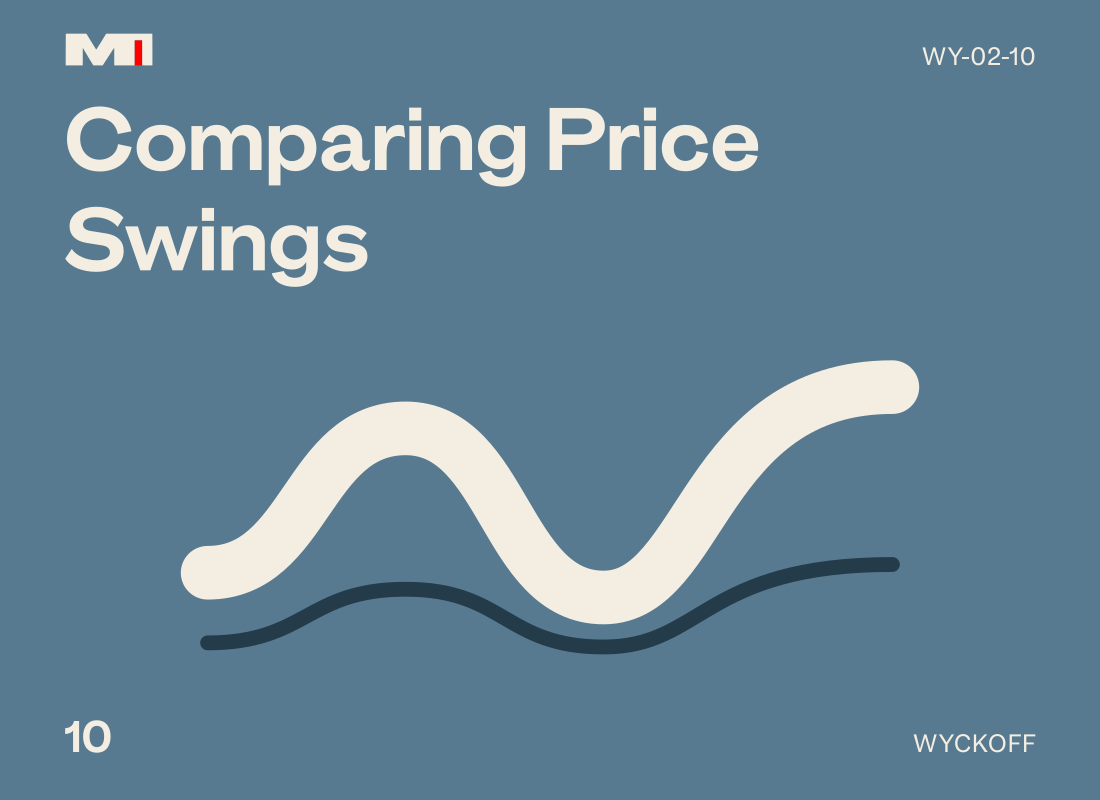
From Single Candlesticks to Swing Comparisons