Lesson / WY-02-10
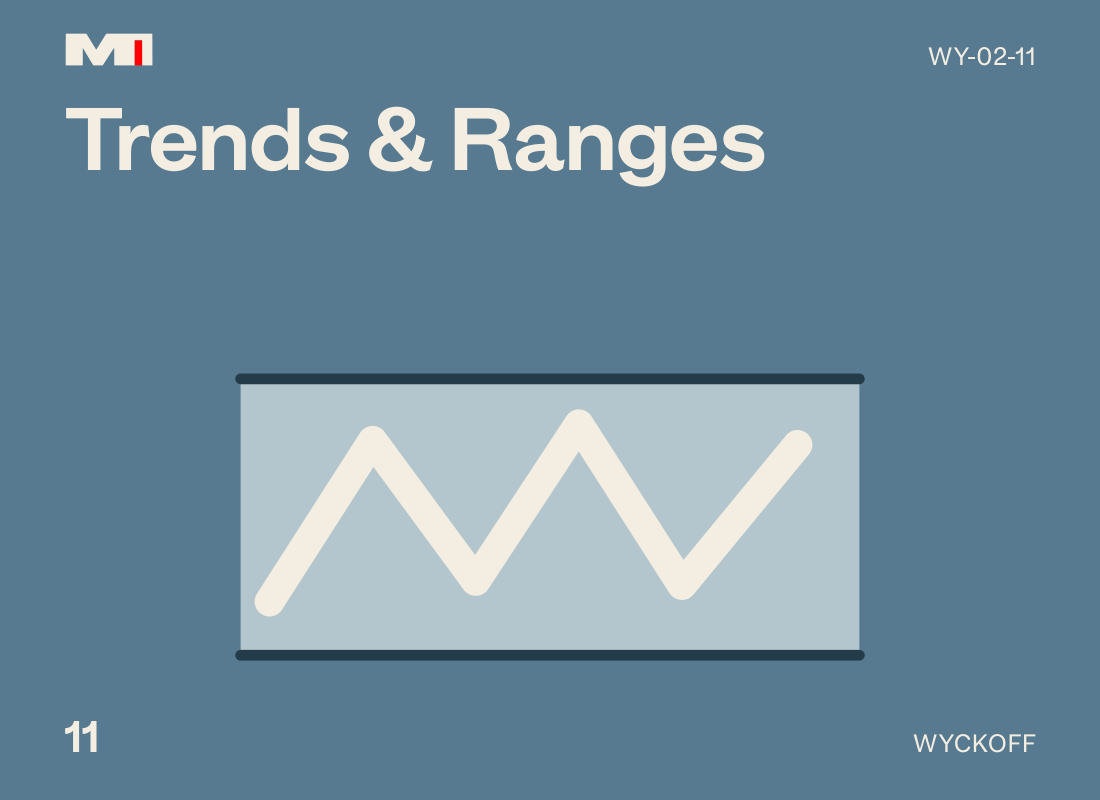
Trends alternate between progress in one direction and reactions in the other. In an uptrend, upward progress is the main movement and downward swings are reactions; a downtrend is the reverse. Compare extension beyond the preceding same-direction extreme, the portion reclaimed by the reaction, each movement’s duration and volume, and the speed of resumption afterward. A shallow reaction is not merely a percentage: it also matters whether the key breakout area and previous structural low hold.
Course content is for learning and research only. It is not investment advice.
Read the Chapter ↗Timestamps
7 lessons · Chapter contents
01Swing Segmentation Rules and Observation Scale↗02Identifying Upward and Downward Swings↗03Magnitude, Duration, Volume, and Progress Efficiency↗04Comparing the Current Advance with the Previous Advance↗05Comparing the Current Decline with the Previous Decline↗06The Relationship between Advances and Reactions↗07Endpoint Confirmation, Future Information, and Repainting↗Observe the market: start with context and place price within its structure.
Understand structure: compare supply and demand, and let evidence support or revise your hypothesis.
Form a view: define risk limits and know when to reassess.
No matching captions.
A Fresh Look at a Single Candlestick
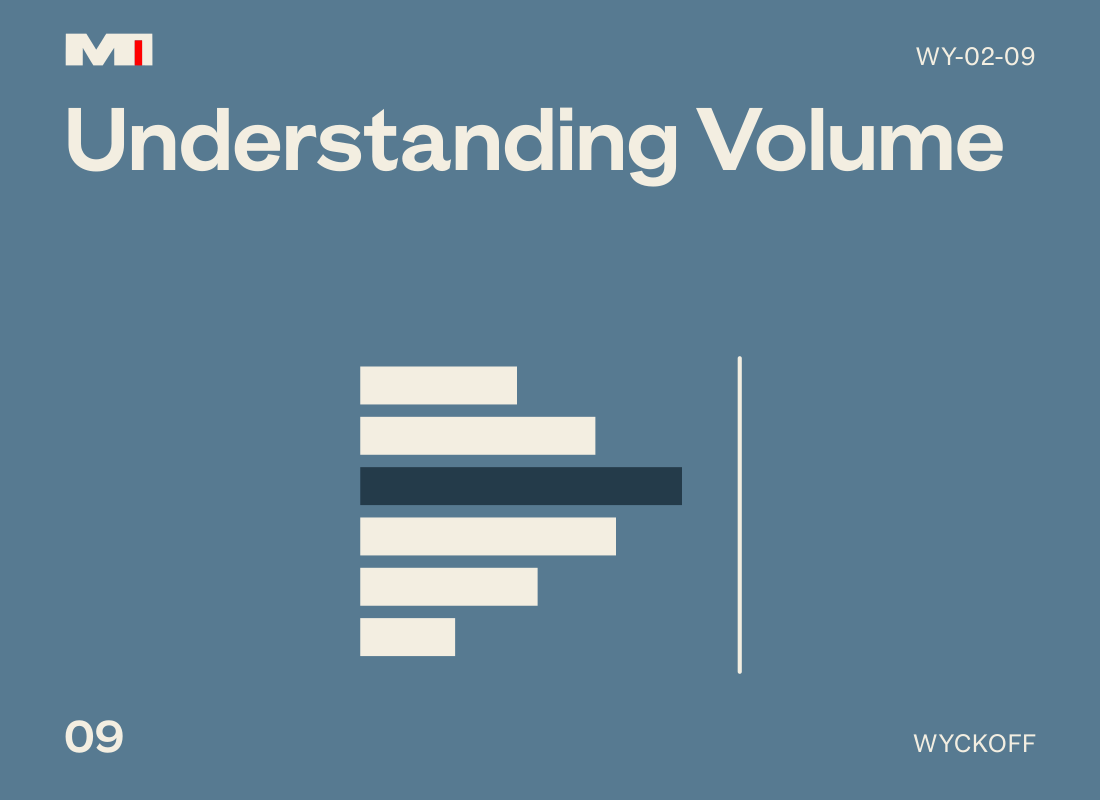
Understanding Volume